JOURNAL

Supporting the Future of Energy Communities: PIAC(ER)² Presented at Key Energy

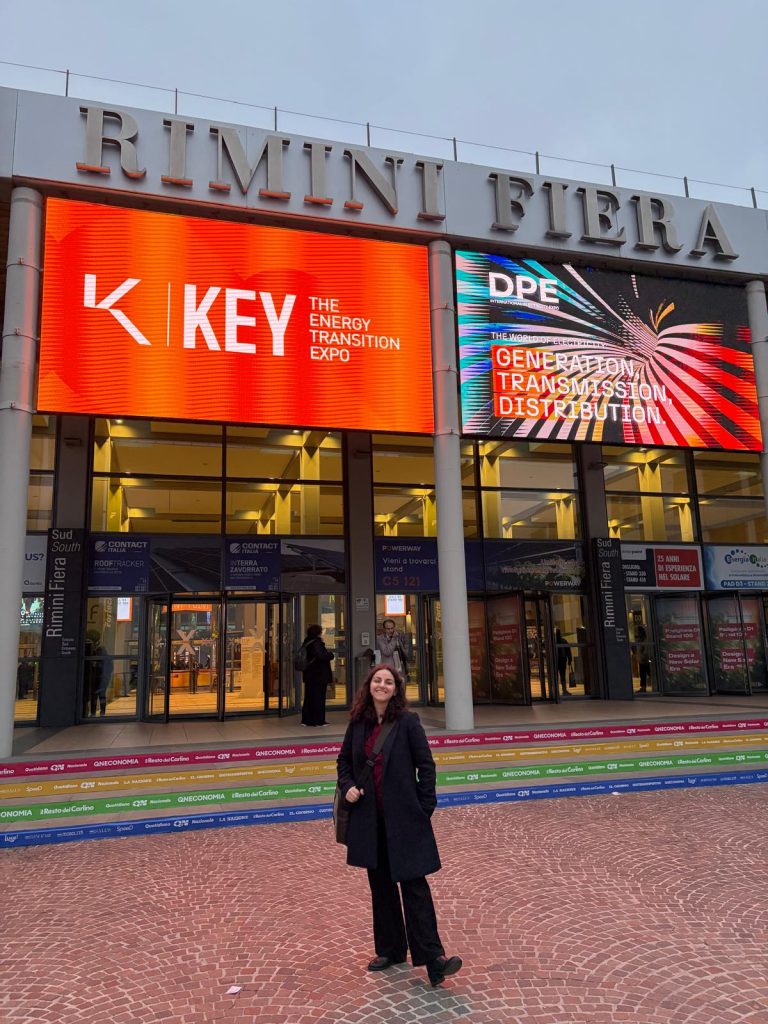
The PIAC(ER)² project was showcased at Key Energy 2026 (2026, 5th March), one of Europe’s leading events dedicated to the energy transition, during the session “Renewable Energy Communities: funding opportunities and engagement strategies. The state of the art of RECs in Emilia-Romagna”, organised by the Emilia-Romagna Region.

The session brought together institutions, researchers and stakeholders to discuss the development and consolidation of RECs in the region. 

Within this framework, Matteo Zatti and Gaia Martoriello (LEAP) presented the PIAC(ER)² project, illustrating how advanced monitoring systems and machine learning techniques can support the management and optimisation of Renewable Energy Communities.

PIAC(ER)² is developing a toolbox of digital tools designed to support communities throughout their lifecycle, from the planning and sizing of energy assets to their operational management. 

A key innovation showed during the session concerns the use of machine learning approaches, including federated learning techniques that enable accurate forecasting of energy production and consumption while preserving the privacy of community members.

The participation in Key Energy represented an important opportunity to share the project’s vision and technological approach with a wide audience of policymakers, researchers and energy stakeholders engaged in the development of Renewable Energy Communities.

For more details, the presentation is available for download:

Advancing PIAC(ER)² Development and Collaboration at the 4th Project Meeting

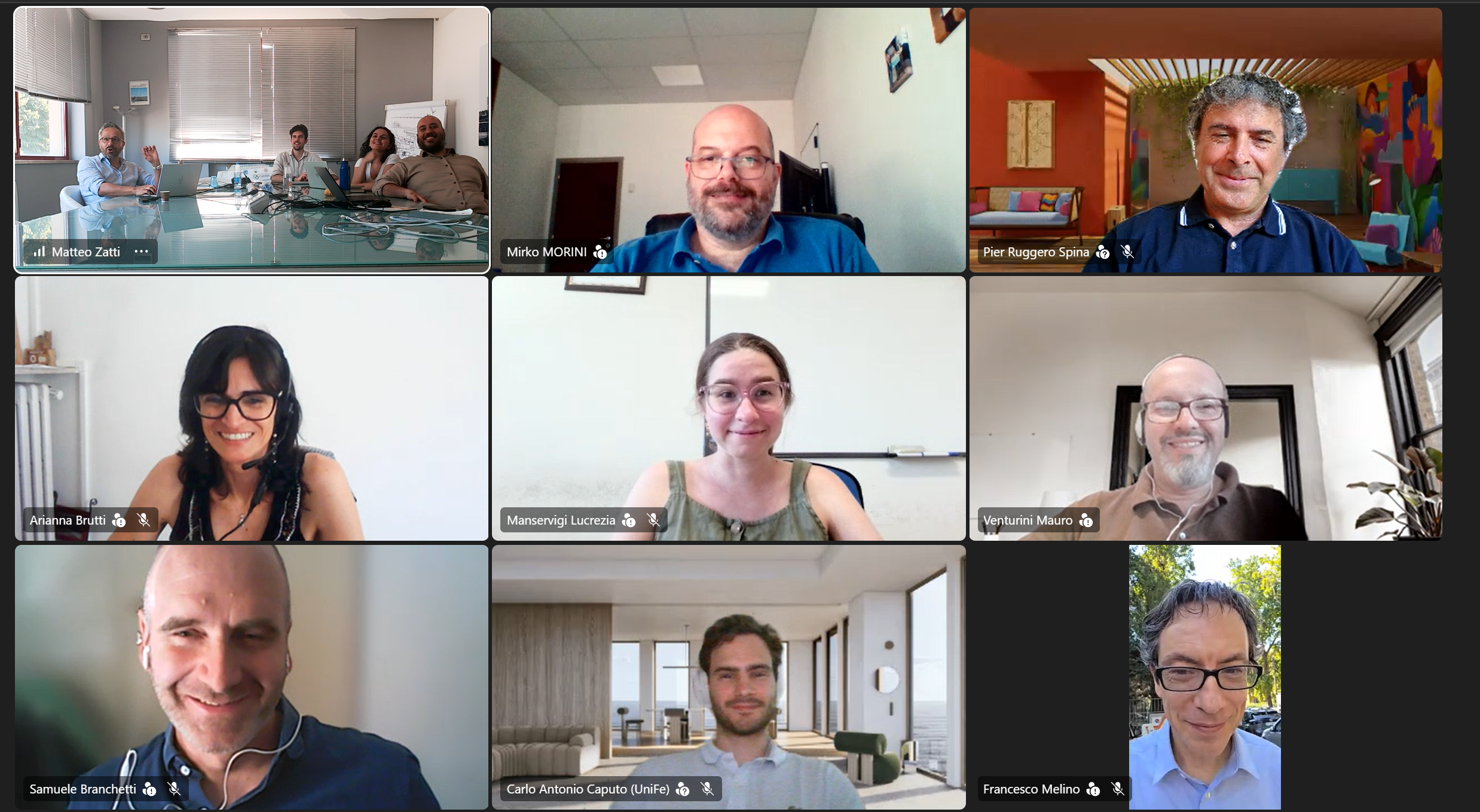
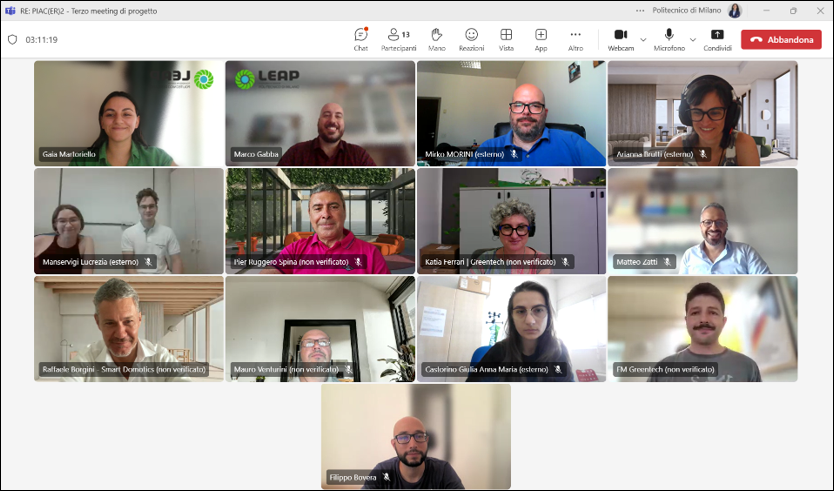
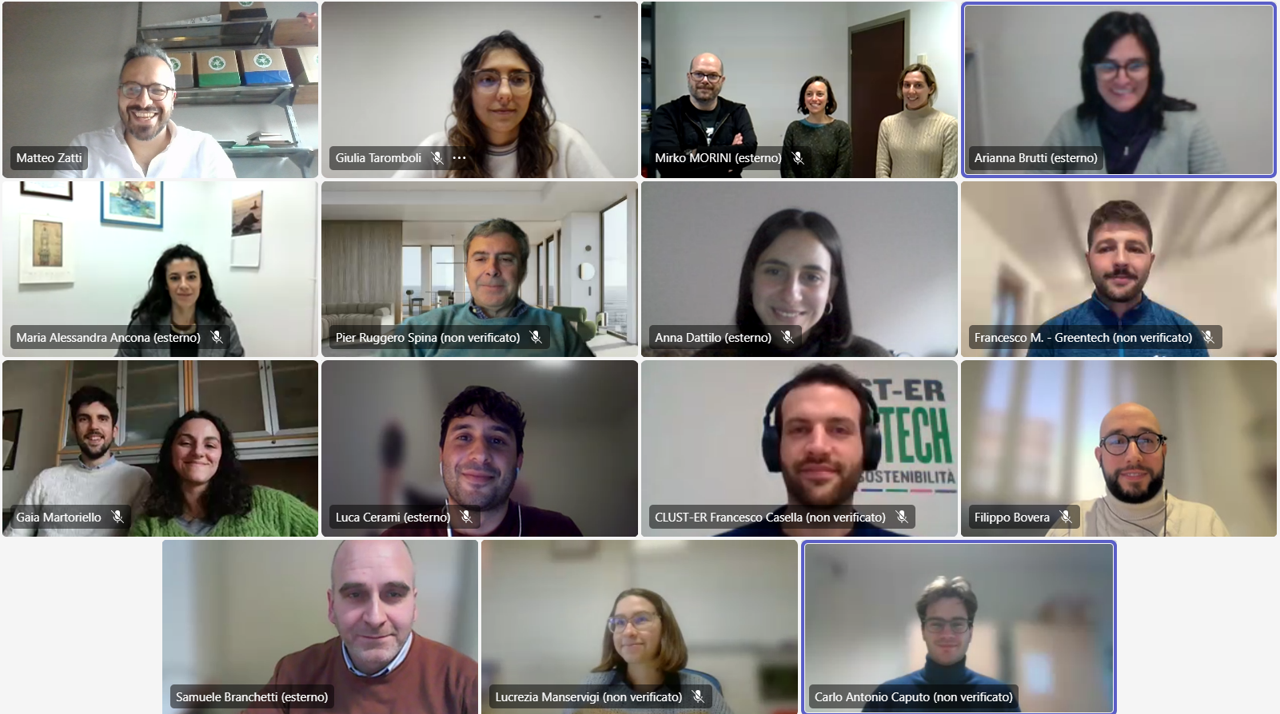
As we complete the second year of the project, we gathered for the fourth project meeting, providing an opportunity to review ongoing activities, exchange updates and coordinate the next final steps of the project.

The meeting opened with partner presentations on the progress of the tool development activities, together with updates on the work carried out in the demo sites and exploitation actions. Partners shared the current status of the proposed tools and the data collection activities, while also discussing contributions and potential challenges encountered during implementation.

The discussion continued with an update on the platform and tools specifications, including the progress of the joint paper currently being developed by the consortium. Partners engaged in an open discussion to provide feedback and align on the next steps.

The meeting then moved to the dissemination activities, where the coordinator presented ideas for future initiatives.

The meeting concluded with a coordination session, summarising the main points discussed and defining the next actions to be carried out by the consortium.

The meeting once again highlighted the strong collaboration among partners and the collective commitment to advancing the project activities.

For more details, the presentations from the meeting are available for download:

Steady progress: the third PIAC(ER)² Project Meeting

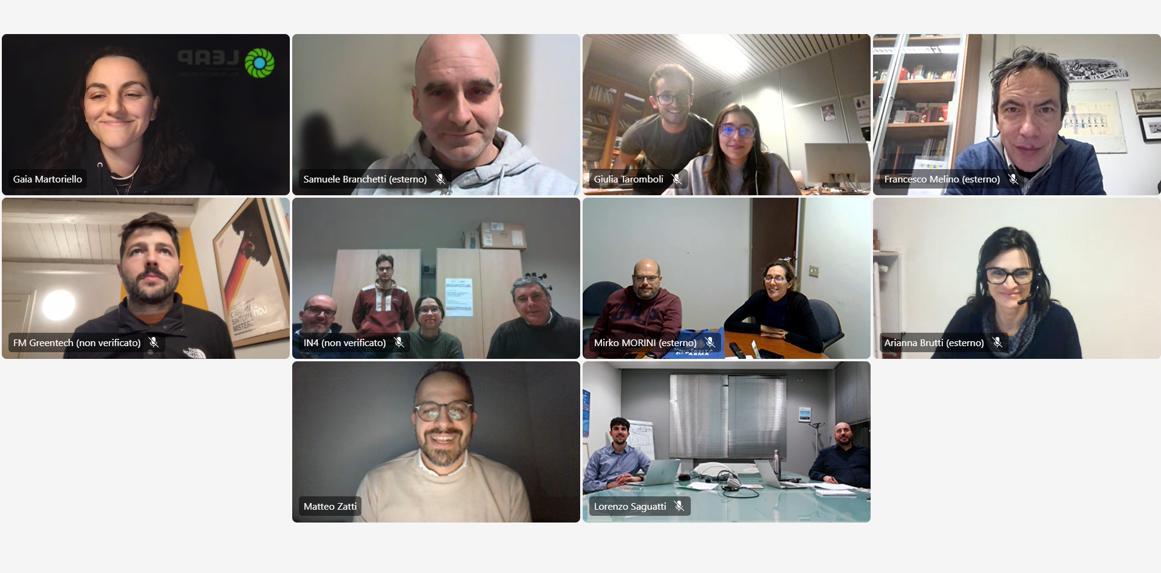
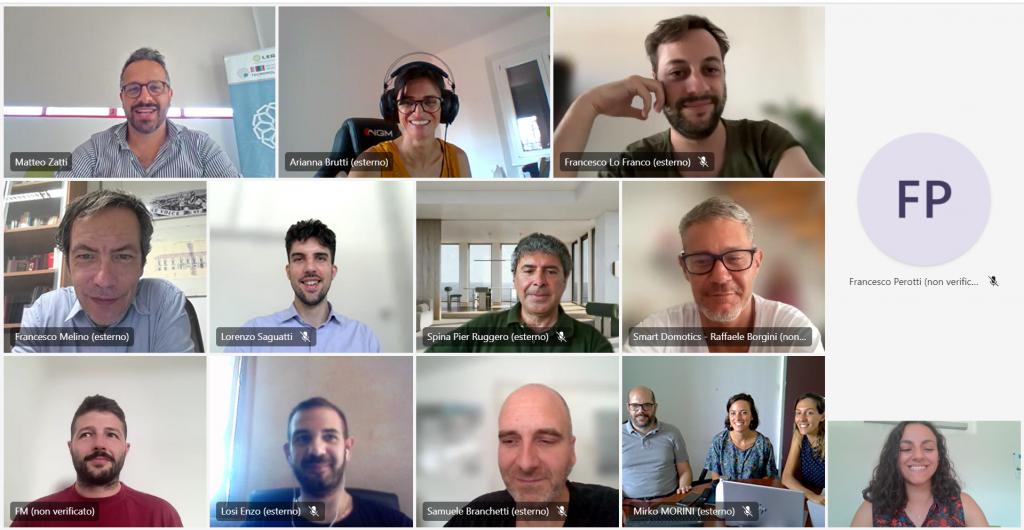
Six months after the last update, the consortium met again on July 14th, 2025 for the third progress meeting. The session provided a clear view of how the project is evolving and aligned partners on the next development phase.

As in previous meetings, the discussion revolved around the project’s three pillar:

🔹 Refining the state of the art – Rather than producing a traditional review, the consortium is developing a forward-looking vision of present and future Renewable Energy Communities. This will help position the PIAC(ER)² tools within current trends and expected needs. The final document is planned for early 2026.

🔹 Advancing tools development – Partners presented the progress achieved over the past semester and discussed the main technical challenges. The exchange allowed us to clarify priorities and explore potential solutions. Tool development and refinement will continue throughout the next six months.

🔹 Structuring the case studies – The team reviewed additional datasets / case studies that could strengthen next year’s validation activities. This refinement aims to provide early insights into the type of future REC scenarios envisioned by the project.
More updates will follow as PIAC(ER)² progresses through its next development phase.

For more details, the presentations from the meeting are available for download:

PIAC(ER)² showcases at R2B 2025

The PIAC(ER)² project took part in R2B 2025 – Research to Business with a TechWall presentation and a dedicated info point. Throughout the event, our team was on site, ready to engage with visitors and answer questions about our work on the PIACER digital toolbox to support the design, implementation, and management of Renewable Energy Communities in Emilia-Romagna.  It was a great opportunity to discuss tools, strategies, and future perspectives with researchers, companies, and institutions gathered in Bologna for one of the region’s key innovation events.

Thanks to everyone who stopped by and showed interest in the project — stay tuned for the next steps of PIAC(ER)²!

Connecting, sharing, innovating: the first year of PIAC(ER)²

As we complete the first year of our project, we look back at the key events that have shaped our journey and strengthened our network within the energy communities’ ecosystem. Over the past months, our consortium has actively engaged in discussions, shared insights, and exchanged knowledge with experts and stakeholders.

Here’s a recap of the major events we participated in:

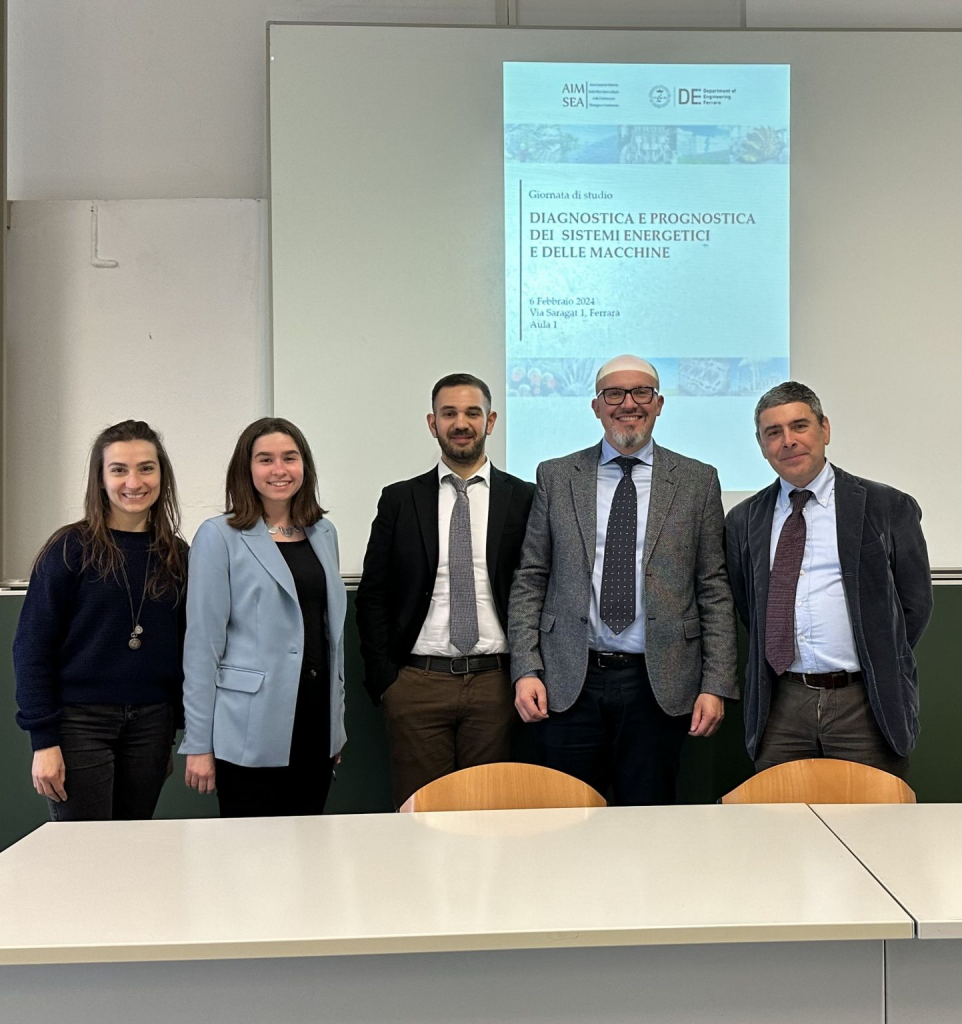
🔹 06/02/2024 – Study Day: “Diagnostica e prognostica dei sistemi energetici e delle macchine” – the event was attended by top Italian Universities and global companies like Siemens and A2A to discuss advanced diagnostic and prognostic techniques in the energy sector.
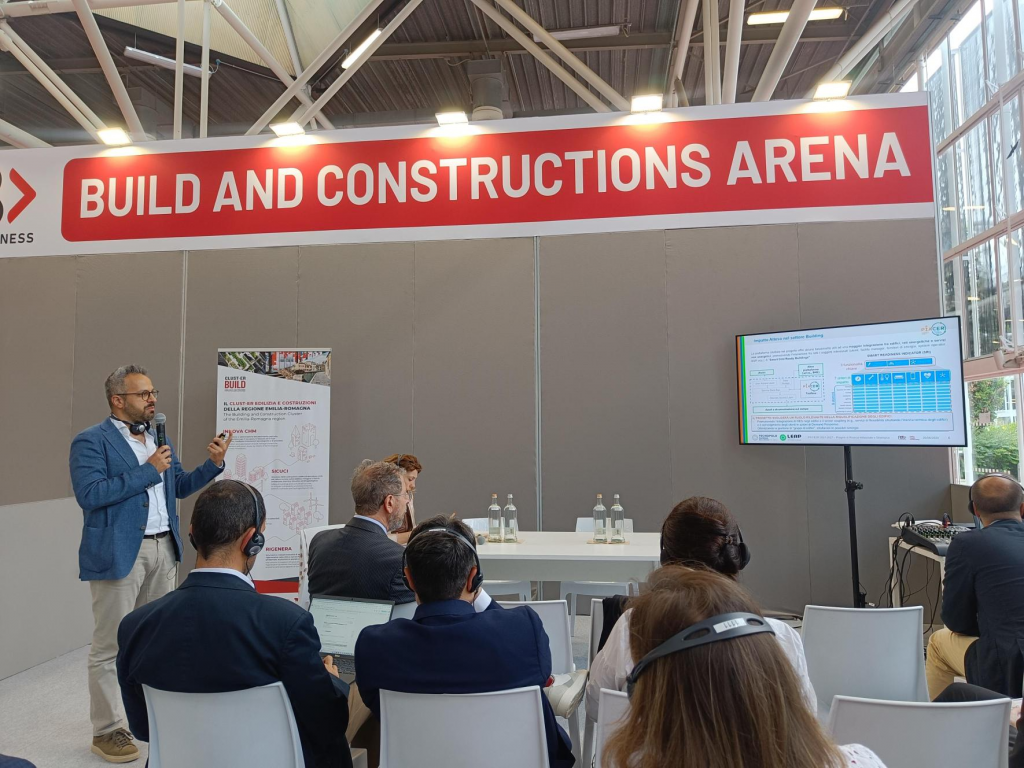
🔹 26/06/2024 – Research to Business (R2B)Workshop Riqualificazione integrata degli edifici: efficienza energetica, comfort e sicurezza strutturale” – the event aimed to provide an in-depth exploration of integrated solutions for building renovation and the implementation of renewable energy communities, with a particular focus on the use of digital platforms and innovative technologies. (link)
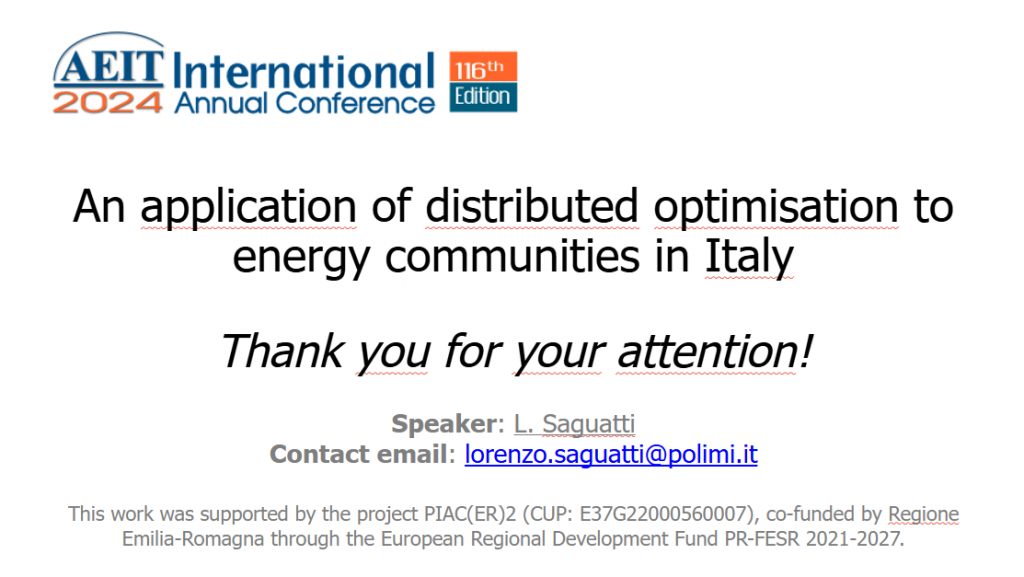
🔹 26/09/2024 – AEIT International Annual Conference 2024 – “An application of distributed optimisation to energy communities in Italy” – We presented details about the distributed optimization tool developed within the project. (link)
🔹 21/11/2024Study Day: “Smart Energy Systems”– The Italian universities presented their research on the digitalization of integrated energy systems, their design and management, and the production and use of renewable fuels. (link)

These events have been crucial in advancing our research, fostering collaborations, and reinforcing our commitment to shaping the future of Renewable Energy Communities (RECs). We look forward to another year of impactful discussions and innovative solutions!

Stay tuned for more updates! 🚀

Gallery & Downloads

Brewing Innovation: the second PIAC(ER)² Project Meeting

As we reach the one-year mark of PIAC(ER)², our consortium gathered for the second progress meeting on January 14th, 2025 to assess our advancements and define the next steps.

The discussion focused on three key areas, tracing the path to continue our work in the coming months:

🔹 Refining the state of the art – We have decided to extend our analysis of existing platforms, tools, and interoperability frameworks. This will allow us to better position our project’s platform within the broader landscape of Renewable Energy Communities (RECs).

🔹 Advancing tools development – We have started developing our project tools and took this opportunity to review the methodological approaches and initial progress. This work will continue over the next six months as we refine and enhance our solutions.

🔹 Structuring the case studies – We outlined a preliminary structure for defining and analyzing our case studies. In the upcoming months, we will begin characterizing them, paving the way for tool validation in the next year.

With these milestones in place, we are excited to move forward and bring PIACER closer to its goals. Stay tuned for more updates!

For more details, the presentations from the meeting are available for download:

First PIAC(ER)² Project Meeting: Reviewing Progress and Planning Ahead

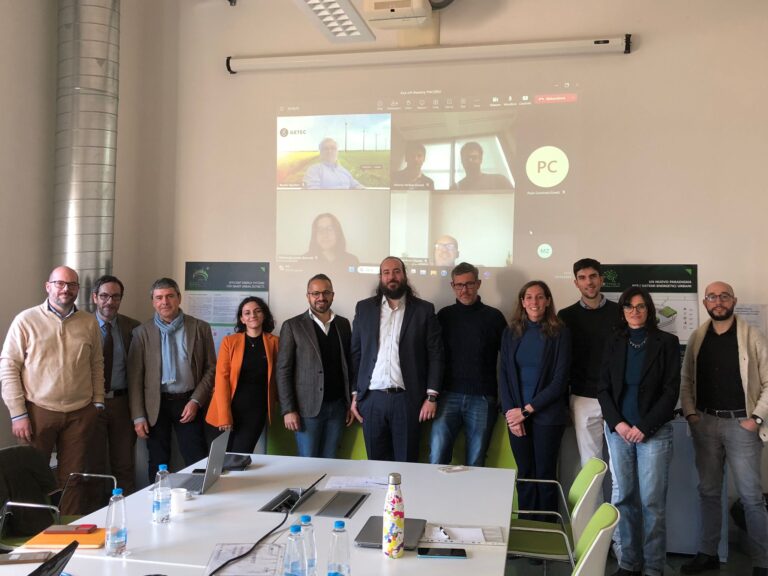
On July 17, 2024, the first official meeting of the PIAC(ER)² project team took place. The meeting provided an opportunity to review the progress made so far and to assess the advancements across various components of the project.

The discussions centered around the development of the PIACER platform and the individual tools that will be its core components. These tools are designed to help Renewable Energy Communities (RECs) with everything from planning and management to optimizing energy usage: distributed forecasting and optimization tools (LEAP), a tool for the optimal sizing of Renewable Energy Communities (CIDEA), a model for the assessment of the opportunity of integrating the REC with heating, cooling and fuel streams (CIRI-FRAME), a diagnostic tool able to exploit both data-driven and physics-based approaches (IN4). Meanwhile, CROSS-TEC is analyzing possible use-cases of the tools and the overall platform to identify data-exchange scenarios on which test the interoperability protocols and approaches provided.

For more details, the presentations from the meeting are available for download:

Towards Tomorrow’s Renewable Energy Communities: the PIAC(ER)² Project

With the Kick-off Meeting held in December, the PIAC(ER)² project officially begins.

This initiative aims to develop a toolbox to support users and investors through all phases of an REC’s lifecycle—from design to real-time management of energy production, storage, and consumption systems—while promoting proactive user involvement in energy-sharing processes and interaction with local energy networks (not only electrical).

Thanks to the development of innovative tools, the project will leverage data from various sources and devices to realize the potential energy, economic, environmental, and social benefits associated with an REC.

The project, expected to last 30 months, has been made possible thanks to co-funding from the Emilia-Romagna Region through European funds under the PR-FESR 2021-27 program.

The partnership
PIAC(ER)² is coordinated by LEAP and includes participation from four other laboratories accredited by the Emilia-Romagna High Technology Network, who were also partners in the Efficity and Energynius projects: CIDEA of the University of Parma, CIRI-FRAME of the University of Bologna, MechLav of the University of Ferrara, and CROSS-TEC of ENEA.

With the involvement of SmartDomotics, Getec Italia, and Siram, as well as active participation from Confindustria Piacenza, the project will benefit from the perspective of the business world—both from companies developing and offering solutions for the implementation and management of RECs and those seeking to quantify the benefits of REC participation.

^